
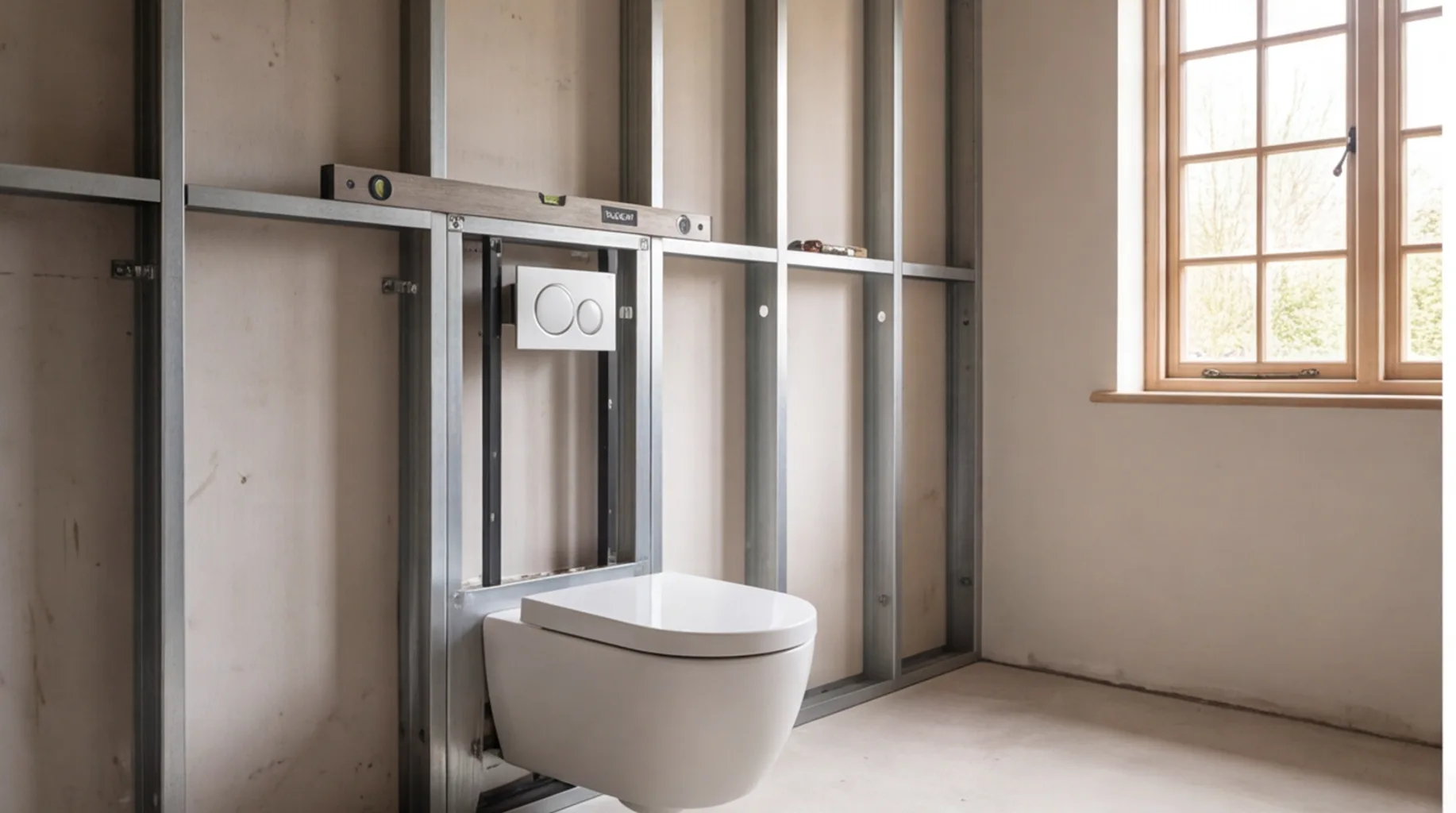
Geberit Installation
Geberit's concealed cisterns, wall-hung WCs and AquaClean shower toilets are the most common sanitaryware brand we fit. Correct frame selection and structural fixing matter more with Geberit than with most brands, because the cistern and pan weight sit entirely on the carrier frame, not the wall tiles.
What we install from the range
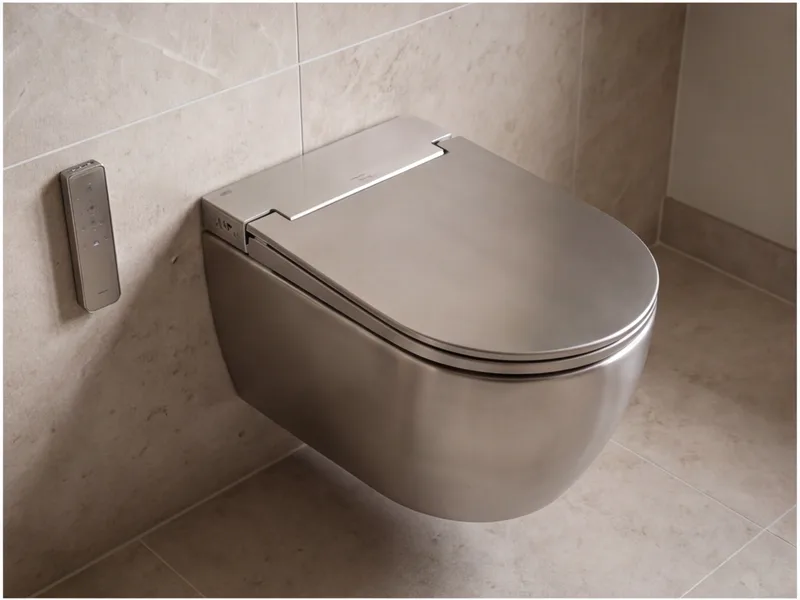
Duofix and Sigma concealed cistern carrier frames, Sigma and Omega flush plates, wall-hung WC pans, and the AquaClean range of shower toilets (including Mera and Sela). We also fit Geberit's in-wall shower drainage and waste systems where a wet room or walk-in shower is being tanked.
Most of our Geberit installations are specified by the client through a bathroom showroom or direct from Geberit's own retail partners; we fit what you've ordered rather than supplying it ourselves.
Installation requirements
- — Carrier frame fixing: Duofix and Sigma frames need a structural wall or floor fixing, not a stud wall alone — confirmed at survey against your wall construction.
- — Electrical supply: AquaClean shower toilets need a dedicated, correctly zoned electrical supply run to the cistern position before tiling closes the wall.
- — Water pressure: standard flush performance is cistern-fed, but AquaClean's wash function needs adequate mains flow, checked at survey.
- — Waste position: wall-hung pans need the waste set at the correct height within the frame before boarding, not adjusted afterwards.
- — Access panel: the flush plate position is planned so cistern service valves stay reachable after tiling.
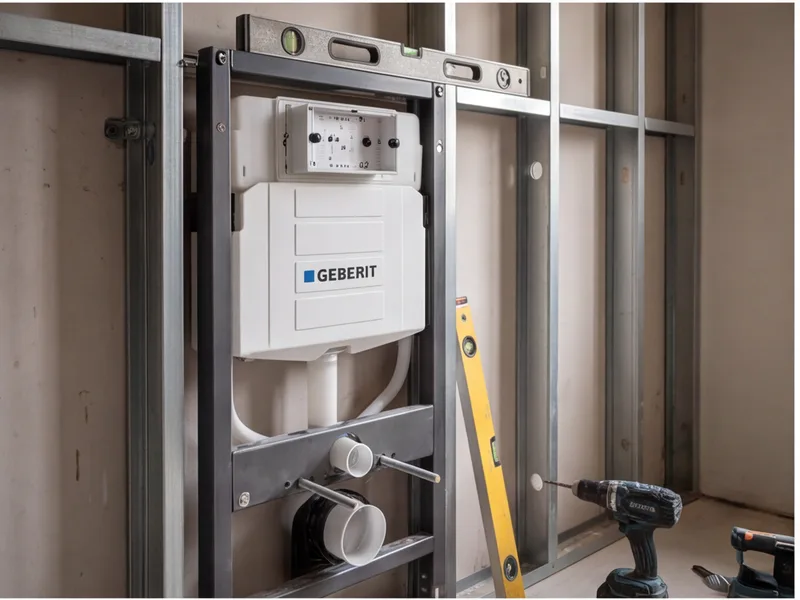
Duofix and Sigma frame generations compared
"Geberit frame" covers more than one generation of product, and knowing which is specified changes what we check at survey and how the room is first-fixed.
Duofix is Geberit's core concealed cistern frame range, available in several heights and depths to suit different wall constructions and installation types — standard height for a conventional WC, and lower-height or reduced-depth variants for applications such as low-level WCs in accessible bathrooms, or shallower stud walls where a full-depth frame won't fit. The frame itself is a steel structure that takes the full static and dynamic load of the pan and anyone using it, which is why its feet need fixing to a structural floor or wall rather than relying on plasterboard alone.
Sigma is Geberit's current concealed cistern range sitting within and alongside the Duofix frame family, most commonly referenced by clients for its dual-flush cistern mechanism and the Sigma flush plate range — Sigma01 through Sigma70, plus the Sigma80 electronic plate — rather than as a separate frame structure in its own right. Older Kappa-generation frames and plates are still found in properties being renovated, and they aren't interchangeable with current Sigma plates: if you're retaining an existing frame rather than replacing it during a refit, the compatible plate generation needs confirming before ordering, since a mismatch means the plate won't engage the flush mechanism correctly.
What actually changes between generations in practice is less about flushing performance — both deliver a dual-flush function to current water-saving standards — and more about fixing depth, plate compatibility, and the range of flush plate finishes and electronic options available to pair with the frame. Our concealed cisterns explained guide covers the generational differences in more depth; we confirm the exact frame and plate pairing at survey rather than assuming an existing frame, if retained, matches whatever plate has been newly specified.
AquaClean: electrical and water supply in detail
An AquaClean shower toilet is the most electrically and hydraulically involved product in the Geberit range, because the unit draws both a mains electrical supply and a dedicated water connection, in addition to sitting on a standard waste outlet.
The electrical side needs a fused spur run to the cistern or pan position, positioned and rated to comply with the bathroom electrical zones set out in BS 7671 — out of zones 0 and 1, RCD-protected, and run before the wall is tiled or boarded in, since retrofitting a cable after the finish is complete means opening the wall back up. We confirm the exact connection point against the specific model's installation manual at survey, because the position varies between the Mera, Sela and other AquaClean ranges. See our bathroom electrical zones guide for the general principles.
The water side needs its own supply tee off the WC's existing water line, usually fitted with an isolation valve and, on several models, an in-line filter cartridge that treats the water used for the wash function — a maintenance item the household replaces periodically, separate from anything we service. Adequate mains flow and pressure at the supply point matters for the wash function specifically, even where the standard flush performs fine on the same supply, which is why we measure pressure at survey rather than assuming a working flush means the wash function will perform as specified.
Both connections need confirming before the frame is boarded in, since an AquaClean retrofitted into a room finished for a standard pan usually means exposing the wall again to add the missing electrical and water runs. Our shower toilets explained guide covers how AquaClean compares to other shower toilet systems if you're still deciding between ranges.
What to check on delivery
Confirm the frame model matches the flush plate you've ordered — Sigma plates don't fit older Kappa-generation frames, for example. Check the pan is the correct projection for your frame (short or standard), and that AquaClean units include the full fitting kit and remote. Inspect the cistern and pan for shipping damage before we start; once walls are tiled and the frame is boarded in, a mismatched or damaged part means opening the wall back up, which is a chargeable return visit under client-supplied goods.
Common issues we prevent
The most frequent Geberit problem we're called to fix on other people's work is a carrier frame fixed to plasterboard or a stud wall without adequate bracing — the pan loosens within months under normal use. The second is a flush plate access panel boxed in behind full-height tiling with no route to the service valves, meaning a leak or a failed flush valve means removing tiles to reach it.
Both are planning problems, not product problems — Geberit's own engineering tolerances are tight when the frame is fixed and positioned correctly. That's why frame fixing and access-panel position are confirmed at survey stage, before the wall is closed up, rather than decided on the day the tiler arrives.
Frequently asked questions
Yes. AquaClean models need a dedicated electrical supply run to the cistern position and sufficient clearance behind the pan for the unit — both are confirmed at survey, before you order.
A Geberit Duofix or Sigma carrier frame, fixed to the structural wall or floor, not simply screwed to plasterboard. The frame choice depends on wall construction, which we check at survey.
Sigma and Omega flush plates are matched to specific frame generations. Tell us the frame model if you already own one; otherwise we'll confirm the compatible plate when we order the frame.
Yes, through the flush plate access panel. We position the frame so the service valves remain reachable without removing tiles, which matters most on a stone or large-format finish.
Flush performance is largely cistern-fed and unaffected by mains pressure, but any Geberit shower toilet function and digital shower pairing does depend on adequate flow, which we measure at survey.
Duofix is Geberit's core concealed cistern frame structure, while Sigma most commonly refers to the dual-flush cistern mechanism and flush plate range used with it. The two aren't competing products — most installations pair a Duofix-family frame with a Sigma flush plate, and we confirm the exact pairing at survey.
Yes. Alongside the fused electrical spur, AquaClean units need their own water supply tee with an isolation valve off the WC's water line, and several models include a filter cartridge in that supply which needs periodic replacement. Both connections are planned at survey, before the wall is closed up.
Often, yes — a stud wall can take a Duofix frame if it's reinforced with additional noggins or a structural fixing plate at the frame's fixing points, without rebuilding in masonry. Whether reinforcement is sufficient or something more substantial is needed depends on the existing wall construction, which we assess at survey.